
JUBGTSGS #3
Andreas Breunig, Merlin Carpenter, KAYA Kerstin Brätsch &
Debo Eilers, Birgit Megerle, Ulrike Schulze
+ Concert by Busenneid and The Fist Fuckers
+ Contemporary Music by Jens-Uwe Beyer
Exhibition May – June 2026
Sophia Eisenhut on JUBGTSGS #3 at TZK Texte zur Kunst, July 2026
Salon du JUBG
Exhibition Views
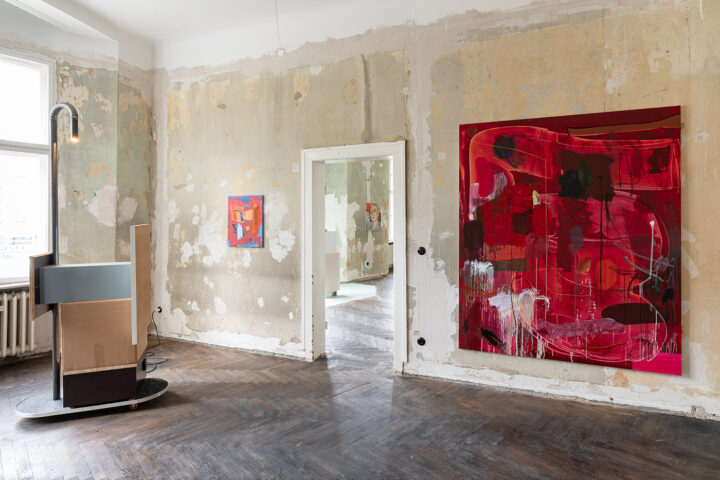
Andreas Breunig
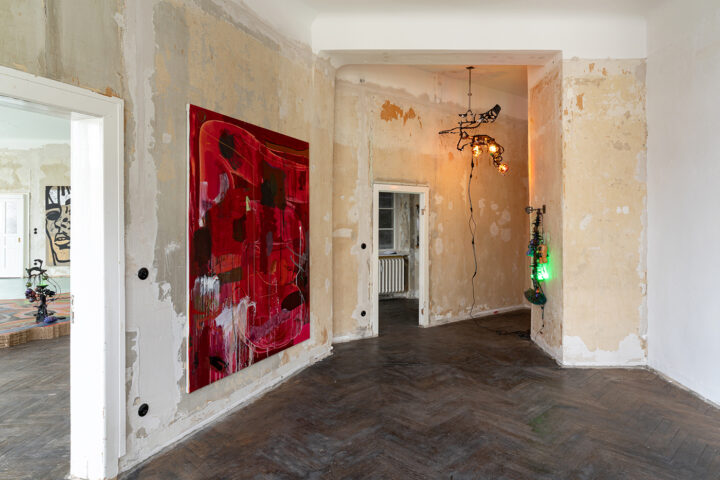
Andreas Breunig, KAYA Kerstin Brätsch & Debo Eilers
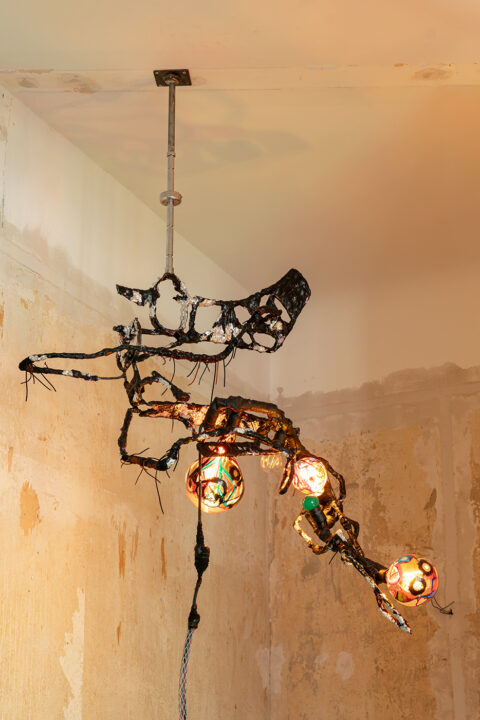
KAYA Kerstin Brätsch & Debo Eilers
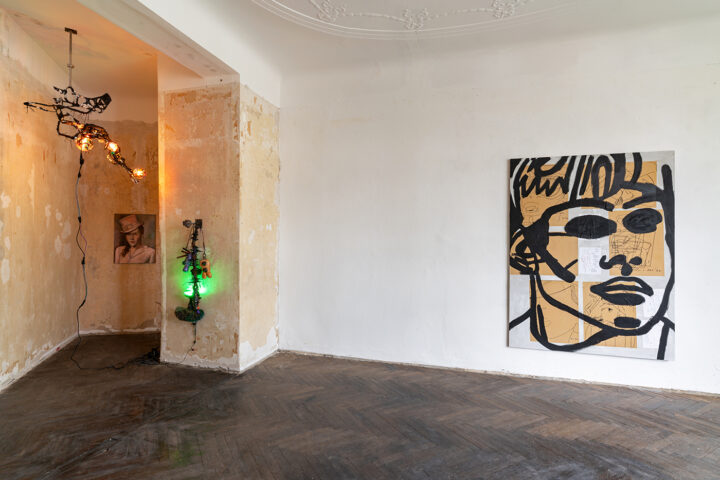
KAYA Kerstin Brätsch & Debo Eilers, Birgit Megerle, Merlin Carpenter
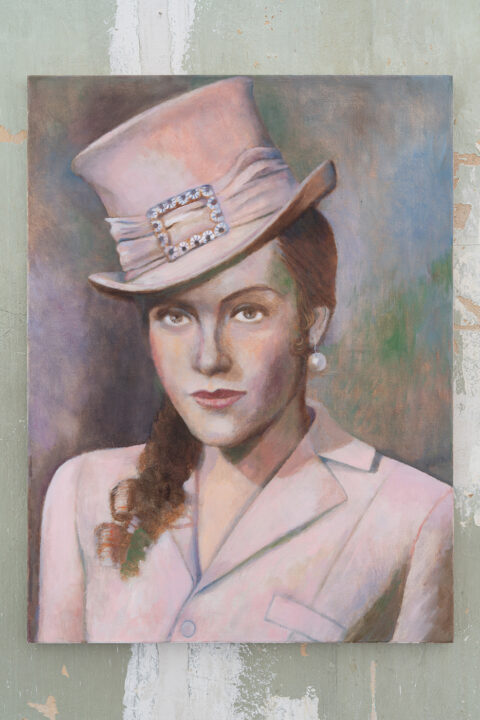
Birgit Megerle
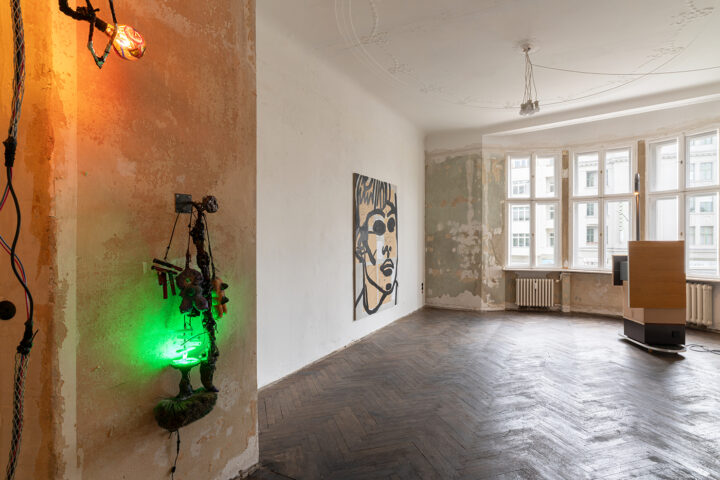
KAYA Kerstin Brätsch & Debo Eilers, Merlin Carpenter, Andreas Breunig
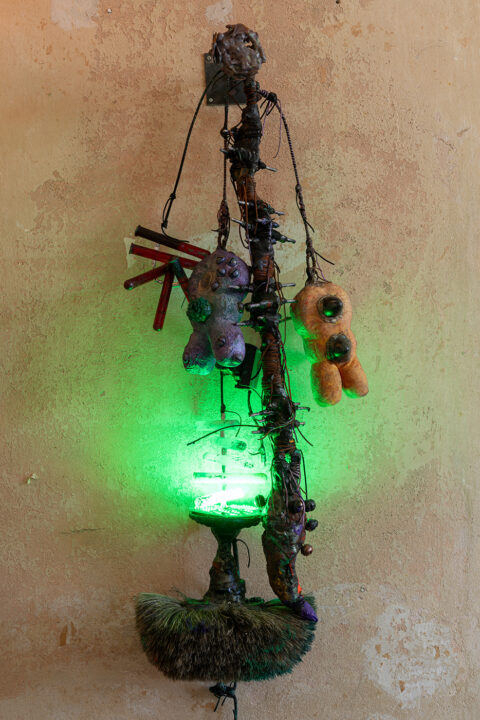
KAYA Kerstin Brätsch & Debo Eilers
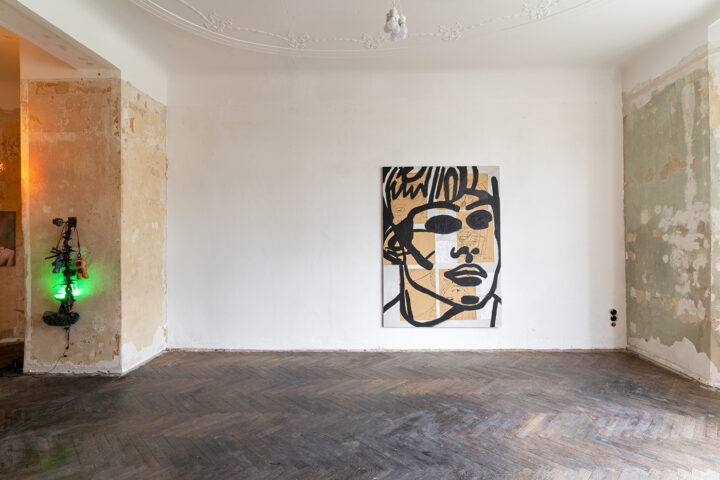
KAYA Kerstin Brätsch & Debo Eilers, Merlin Carpenter
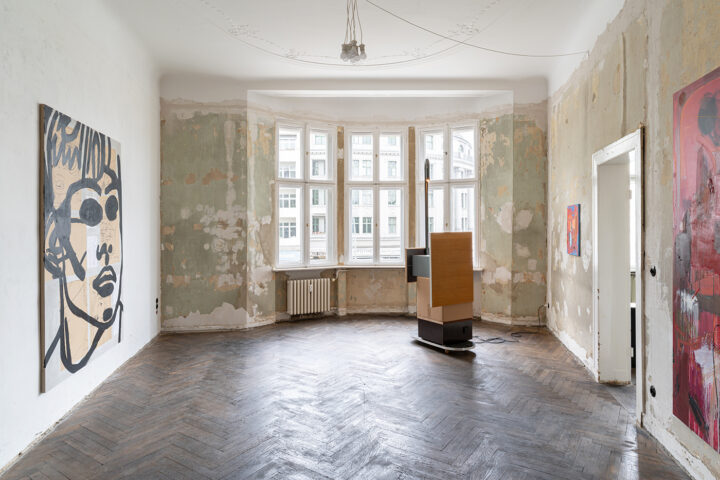
Merlin Carpenter, Andreas Breunig
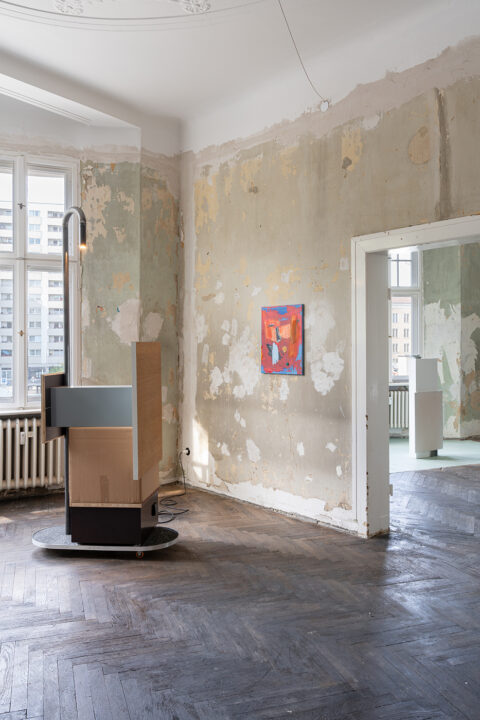
Andreas Breunig, Ulrike Schulze
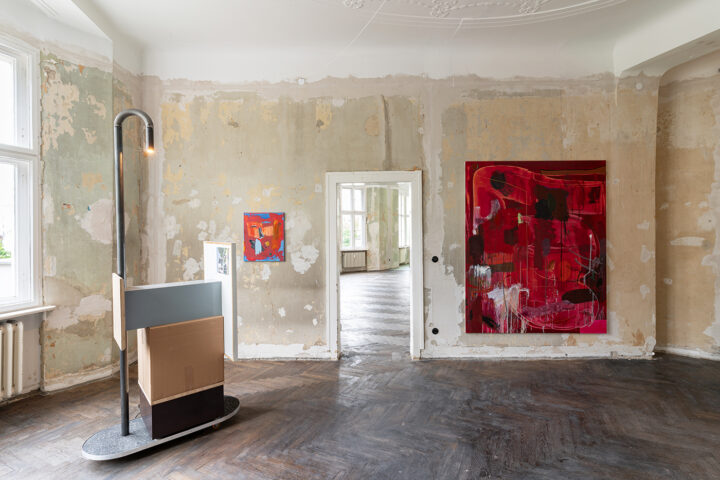
Andreas Breunig
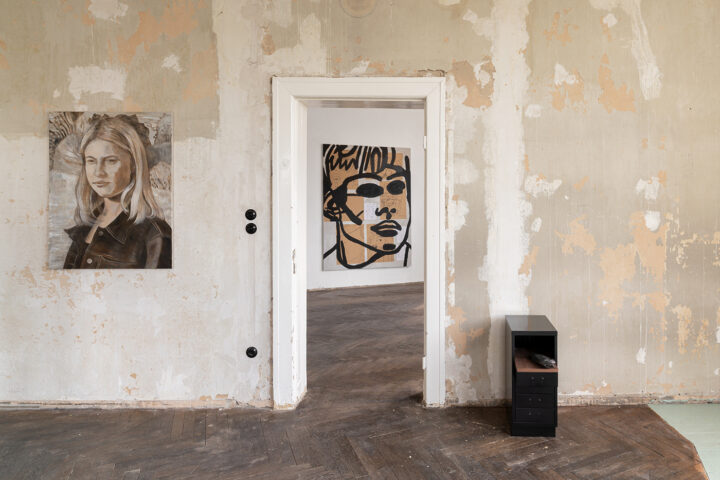
Birgit Megerle, Merlin Carpenter, Ulrike Schulze
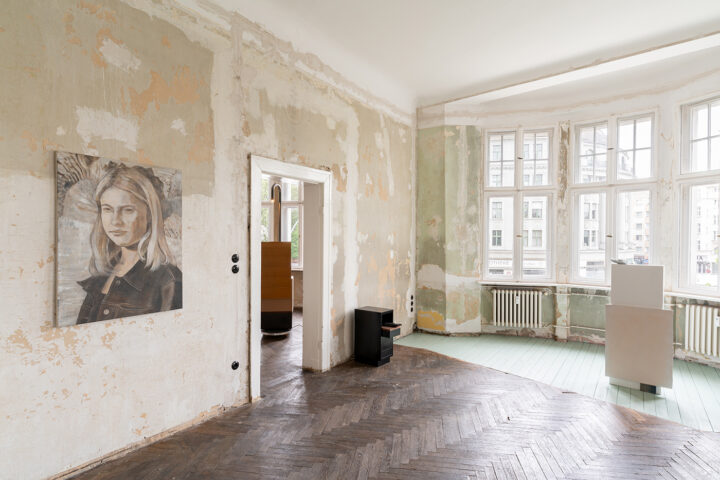
Birgit Megerle, Ulrike Schulze
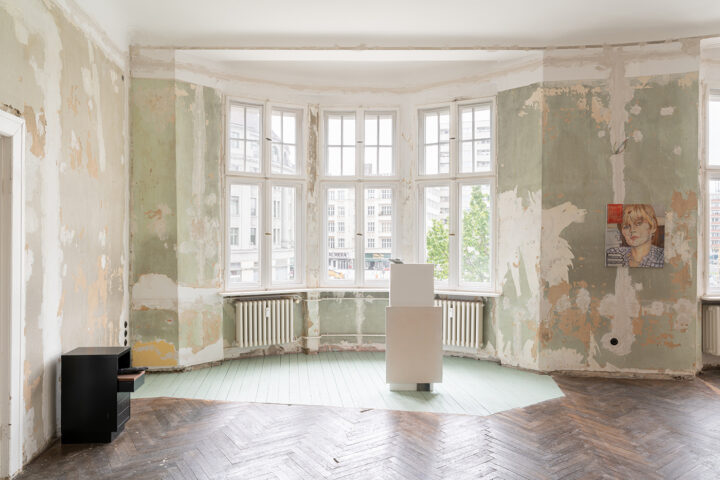
Ulrike Schulze, Birgit Megerle
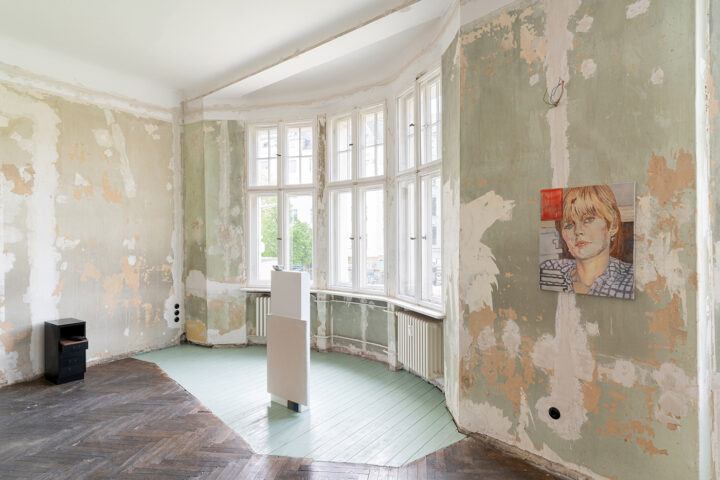
Ulrike Schulze, Birgit Megerle
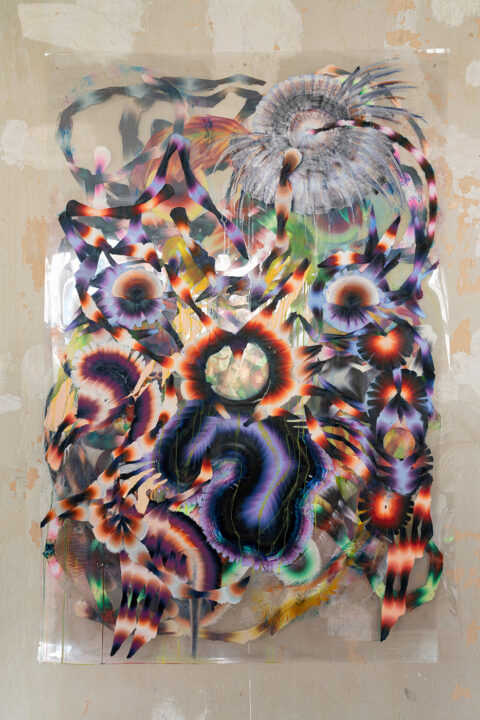
Kerstin Brätsch
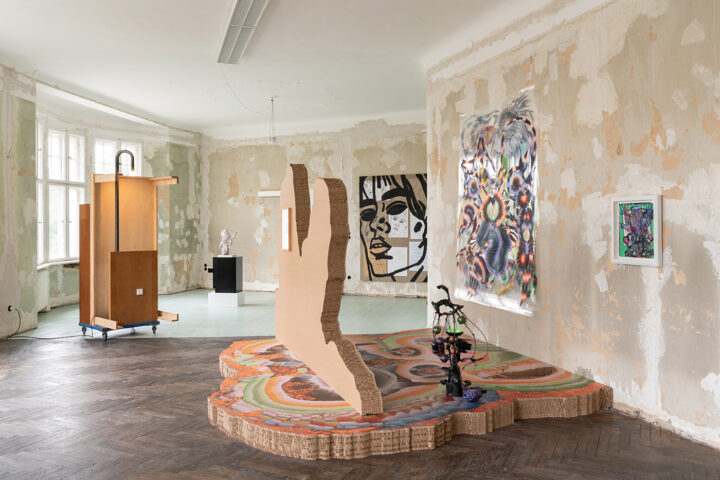
Andreas Breunig, Ulrike Schulze, Kerstin Brätsch, KAYA, Jeremy Debo Eilers
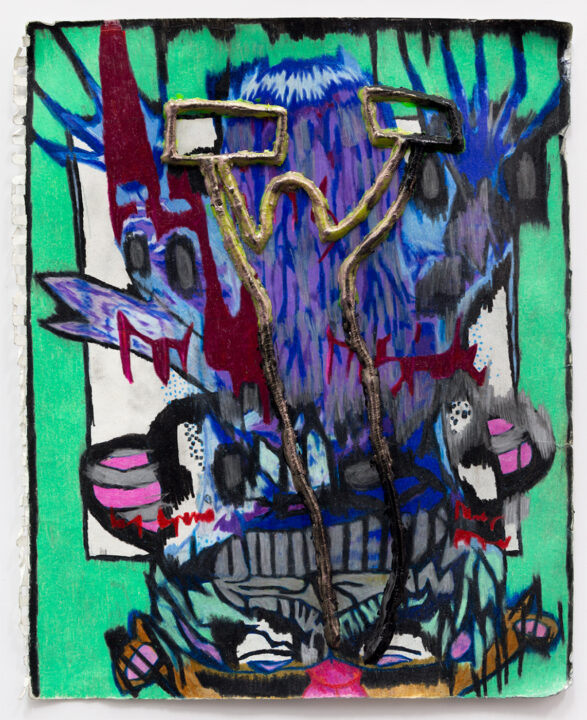
Jeremy Debo Eilers
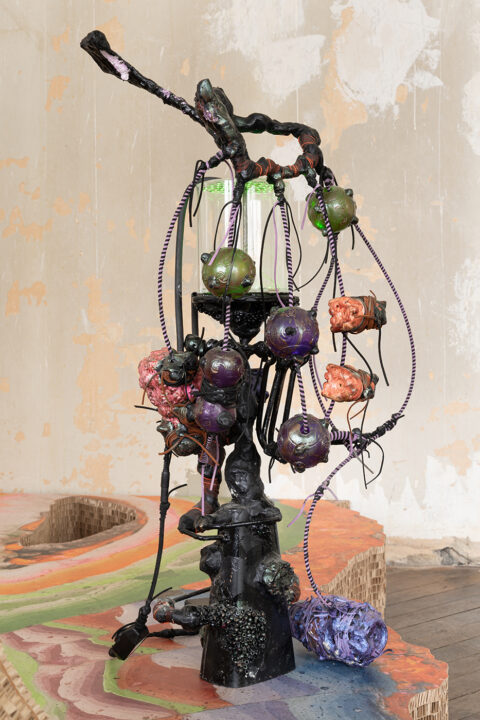
KAYA Kerstin Brätsch & Debo Eilers
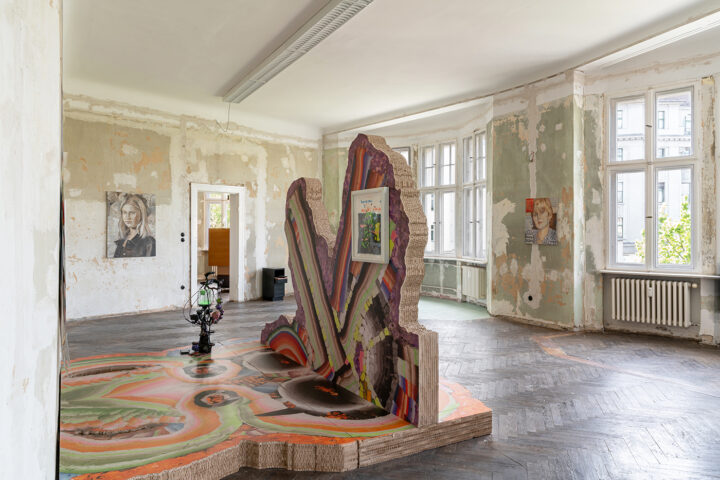
Birgit Megerle, Ulrike Schulze, KAYA, Kerstin Brätsch, Jeremy Debo Eilers
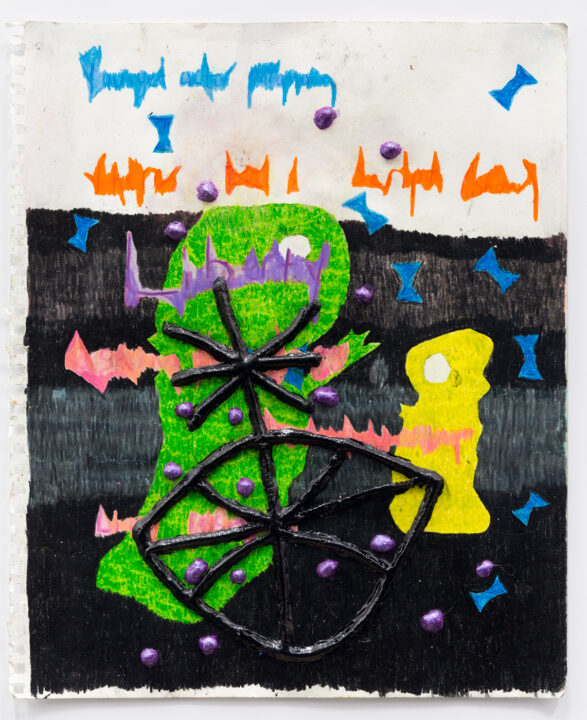
Jeremy Debo Eilers
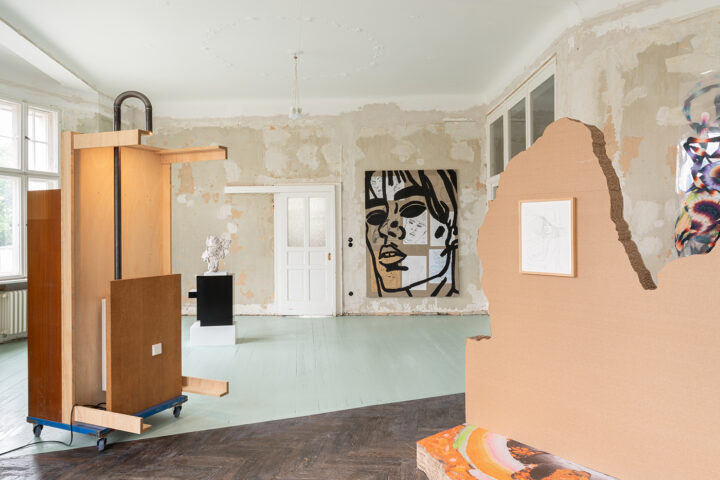
Andreas Breunig, Ulrike Schulze, Merlin Carpenter, Birgit Megerle, Kerstin Brätsch
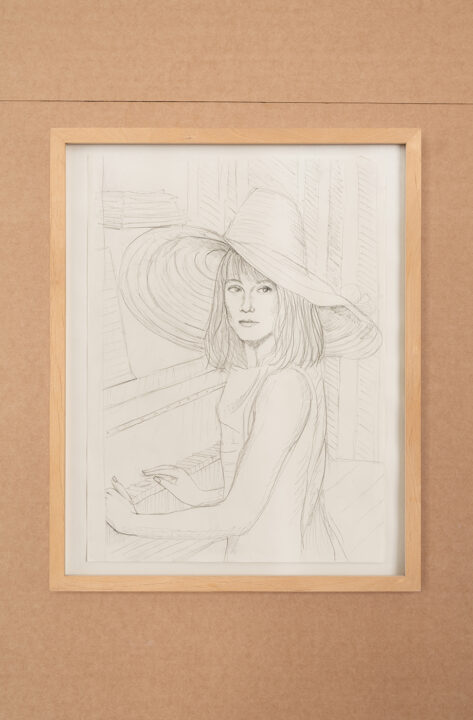
Birgit Megerle
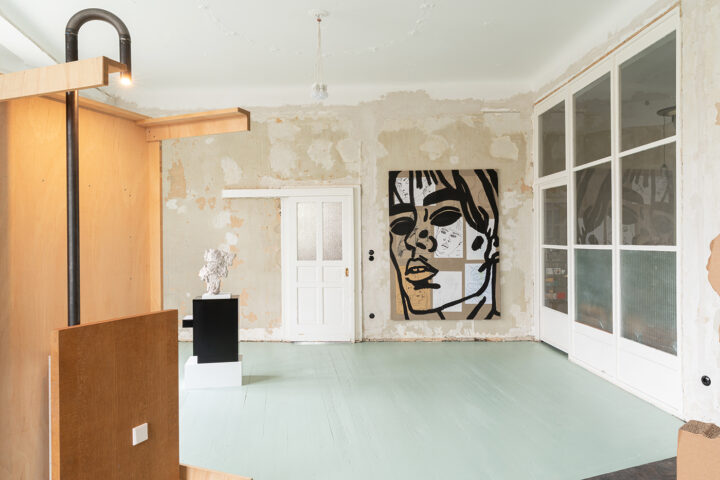
Andreas Breunig, Ulrike Schulze, Merlin Carpenter
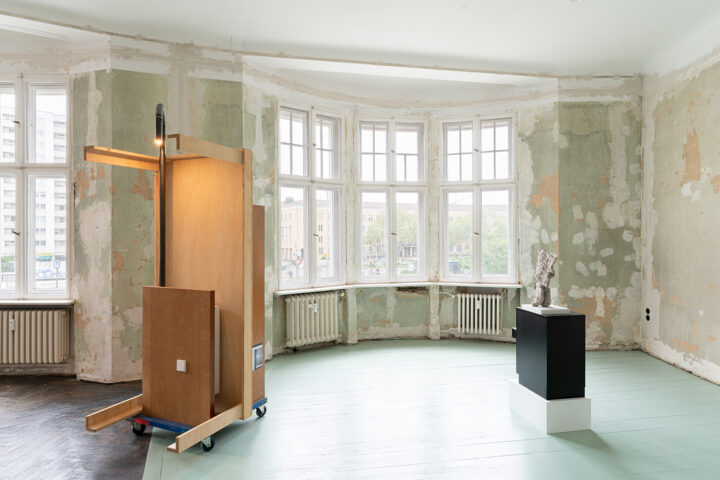
Andreas Breunig, Ulrike Schulze
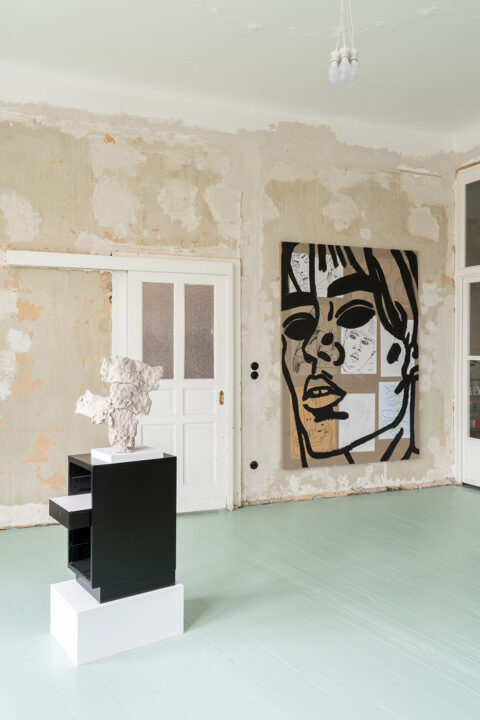
Ulrike Schulze, Merlin Carpenter
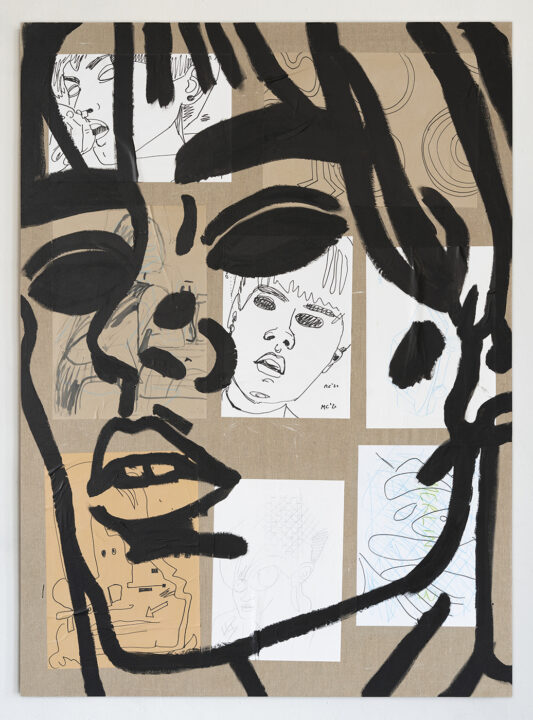
Merlin Carpenter
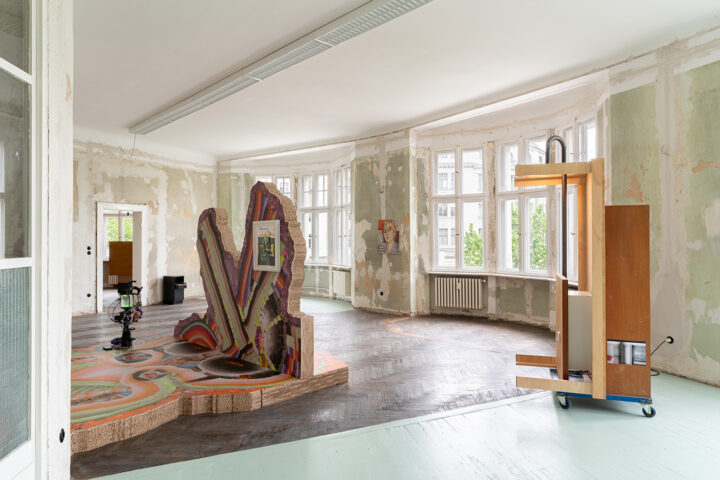
KAYA Kerstin Brätsch & Debo Eilers, Birgit Megerle, Andreas Breunig
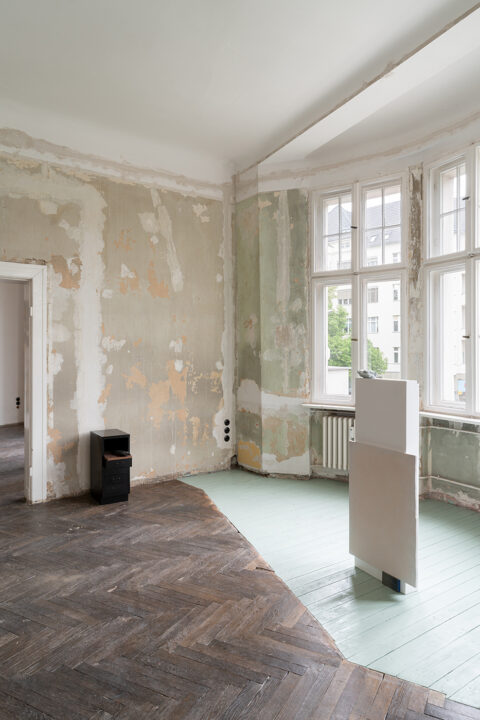
Ulrike Schulze
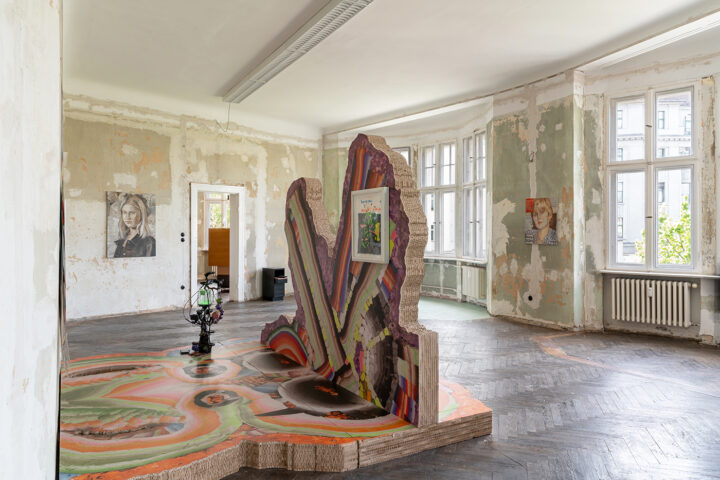
Birgit Megerle, KAYA Kerstin Brätsch & Debo Eilers, Ulrike Schulze
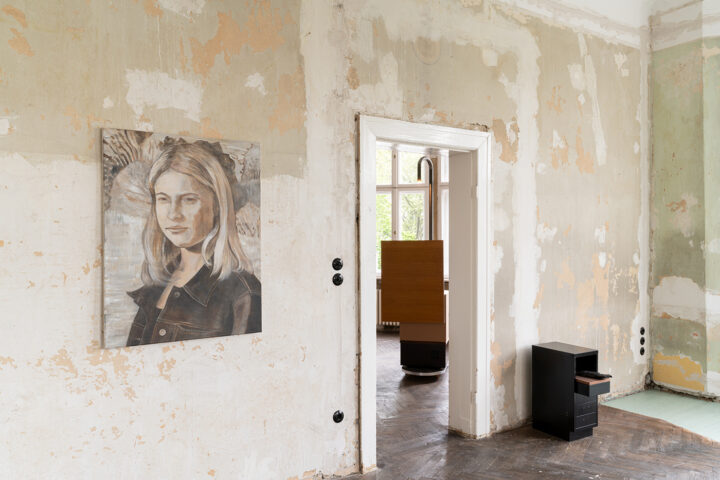
Birgit Megerle, Andreas Breunig, Ulrike Schulze
The title DIE Einrichtung aims to both articulate my specific interest in painting and to highlight a connection between the artists featured. This commonality is something that connects the artists beyond the fact that they all (to a certain degree) paint and, in doing so, very consciously probe what an image can be—with delicacy, in their own language, with visual sophistication, and conceptual sharpness. Philosophical painting and image psychology encounter unseen color schemes, psychic narratives, and the environment. Hence, a brief note on the title: Einrichtung: can permeate, be conveyed, translated, and overlooked throughout all artists’ works. For me, reflecting on painting is a logical step within the context of JUBG’s “Painting Focus.” Paintings can simultaneously be read and viewed as direction, furniture, installation, and institution—and thus as versions of “Einrichtung.”
What’s the use of painting? What role do images and pictures play in our society?
DIE: First: legibility, bilingualism, and thus two meanings. Second: literature and poetry. The title should remain the same when written out in both German and English, yet sound distinctly different when spoken (Di Einrichtung / Dei Einrichtung) and have different meanings (die Einrichtung as +affirmation and Einrichtung stirb as -negation). DIE Einrichtung possesses an edgy, conceptual, idealistic, incisive, delicate poetry, alluding to Franz Kafka’s Die Verwandlung. Gregor Samsa the/DIE images; Einrichtung (painted) the/DIE metamorphosis.
To discuss the configuration of this exhibition, I would like—despite the simultaneity of furnishing, installation, and institution—to transpose these image functions into a narration of modes of access; into 6 fictional scenes:
Scene 1: The entrance is the exit.
Raphaela Vogel has de-furnished her studio for the show, opening space. In other places, too, she allows the exhibition to expand; its outside borders melt away, they pass through it, extend it, and embody it. The space becomes observable, shaken, enlivened, encompassed, almost demolished, adjusted: de-furnished.
Scene 2: A parable of the most subtle nuances.
Birgit Megerle de-institutionalizes motifs in order to open them up to painterly procedures. In the image and in the exhibition, the institution recedes into the background, becoming a surface from which to paint. The reference remains intact. The institution can be film, art history, family photography, one’s own scene, or the portrait as a genre. Extracted portraits shimmer, oscillating between intense luminosity and psychological depth. In their foregrounds, the painted elements make their argument, color vibrates, and the image philosophy strikes directly.
Scene 3: Fresh Aufrichtung!
Andreas Breunig’s paintings are installations—not arranged in space, but within themselves. Installation within the image is a highly deliberate use of the means of painting. His sensitivity to both the image-internal, conceptual, and the spatial nature of being installed meticulously crafts the images together. He builds them. Every centimeter is measured thoughtfully : a line, a bar. A dot, a nail. A surface, a wall.
Scene 4: Hand, Eye
Ulrike Schulze explicitly uses items to carry objects (painting, sculpture). What is unique here is that a direct dissonance between two worlds is created, one that divides yet visibly unites. This deliberate balancing on the edge cannot be restrained. It provides minimal information, yet constantly dissipates it in its own abstraction—the clash with the fabricated reality.
Scene 5: “Paint-It-Yourself” Press Release, January 31, 2020, Reena Spaulings, New York.
Merlin Carpenter’s paintings are relationships, emerging dependent on institutions (revealing them) such as: press releases, the market, biography, labor, art galleries, exhibitions, the art scene, and the handmade. In the case of his latest experimental “Room-Based” figurations, the Einrichtungen to which he references are commodities, oeuvre, career, and being an artist. He emphasizes this through titles drawn from auction terminology and highlights the room-based nature of it through imitating the manga/Street Art style of a youth club.
Scene 6: Back to Commons.
KAYA de-installs painting within the image, detaching it from its spatial anchors. The interior of the image is externalized, recombined, stripped of its previous purpose and its own language. Various synergies interact. In the psycho-topology of painting, roles are constantly being swapped. Shapeshifters. Individuality fades. Images become image carriers. Assembled figures of psychedelic ambiguity. Trippy musicality, connectability.
Title and footnote: “Painting as adjektivale Einrichtung” by Philipp Schwalb, April 2026